



new automobile warranty comparison and practical guide

Core coverage at a glance

A new automobile warranty is the manufacturer's promise to repair defects for a set time and mileage. Terms differ by brand, region, and model year, so precise reading matters.

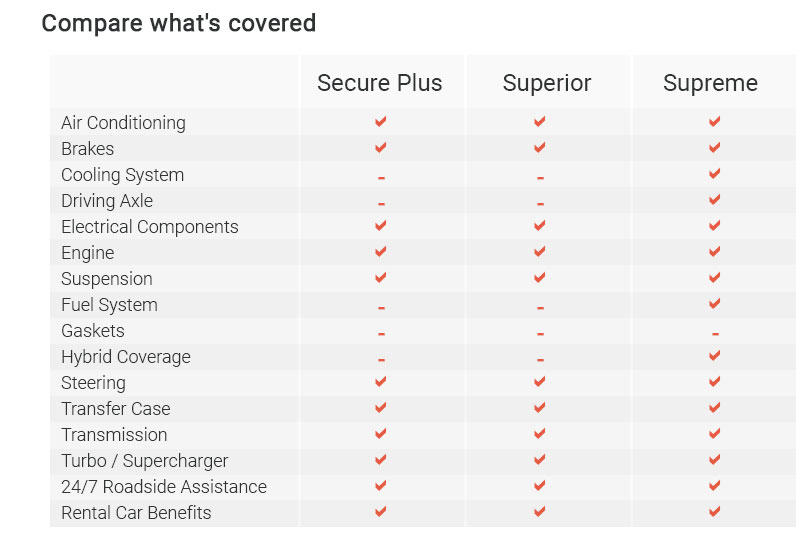
  • Bumper-to-bumper (comprehensive): Often 3 years/36,000 miles; covers electronics, HVAC, interior hardware, and many sensors. Wear items are excluded.
  • Powertrain: Commonly 5 years/60,000 miles; engine, transmission, transaxle, driveshafts, and related seals/gaskets when failed due to defects.
  • Corrosion/perforation: Typically 5 - 12 years against rust-through; surface rust is handled differently.
  • Emissions: In the U.S., many parts are 2/24 while select major components can run to 8/80; specifics depend on jurisdiction and component.
  • Roadside assistance: Towing, jump-starts, lock-out service; limits on miles, events, and destination often apply.
  • Complimentary maintenance: Some brands include scheduled services for 1 - 3 years; coverage follows the stated maintenance schedule only.

What is usually excluded

  • Wear-and-tear: brake pads, wiper blades, tires, clutches.
  • Damage from accidents, misuse, racing, or improper fluids.
  • Aftermarket modifications that cause failures.
  • Cosmetic trim or squeaks/rattles after early adjustment windows.
  • Alignment beyond initial periods unless linked to a covered repair.

Accuracy check: reading the booklet

Verify the exact terms in the warranty booklet and your purchase documents; match them to your VIN. Keep service receipts. Use the maintenance schedule - intervals, fluids, and torque specs - because claim approvals often rely on proof of correct care. Precision here prevents disputes.

Simple comparison method

  1. Map coverage by type (comprehensive, powertrain, corrosion, emissions) and note time/mileage limits.
  2. Confirm deductibles and diagnostic coverage; factory warranties are usually $0 deductible.
  3. Check transferability: whether terms change for the next owner and fees for transfer.
  4. List high-cost tech: ADAS sensors, infotainment, air suspension, turbo/hybrid components; see if they're named.
  5. Ask about rental, trip-interruption, and towing distance limits; these add real value during repairs.

A quick real-world moment

At 28,400 miles my hatchback's screen began ghost-tapping. I hesitated - maybe that's "trim"? The advisor checked the new automobile warranty; electronics were covered under the 3/36 comprehensive. Parts and labor were authorized, and the invoice read $0.

Offers worth weighing

  • Extended powertrain terms: Some brands advertise 10/100 powertrain for the first owner; transfers may shorten the term.
  • Roadside extras: Trip interruption, rental caps per day, and towing-to-dealer vs nearest shop differ widely.
  • Corrosion nuances: Perforation versus cosmetic rust; aluminum and composite panel clauses can change eligibility.
  • Included maintenance: Covered items are specific - oil, filters, inspections - and usually exclude wear items and "severe duty" extras.

How claims typically work

  1. Describe symptoms, not diagnoses. Let the technician document the cause.
  2. Book with an authorized dealer; factory claims route through them.
  3. Bring maintenance records; oil-change intervals and correct specs are frequently audited.
  4. Expect software updates or TSBs when related to your complaint; these are commonly covered.
  5. Ask about parts backorders and rental coverage; know the daily and total limits.

Extended coverage: when it makes sense

Consider factory-backed plans if you'll own past the base terms or if repair volatility worries you. Third-party service contracts vary in coverage breadth, claim speed, and approved labor rates - scrutinize them line by line.

  • Buy only the time/miles you'll realistically use.
  • Price the same plan at multiple dealers; offers can differ significantly.
  • Confirm cancellation and refund rules; get them in writing.
  • Ensure major high-cost systems are named, not implied.

Quick decision grid

  • High annual mileage: prioritize mileage limits and roadside towing caps.
  • Likely to sell soon: look for easy transfer and unchanged terms for the next owner.
  • Towing/heavy use: follow severe-service maintenance to keep related claims eligible.

Final notes

Keep the booklet and receipts together, and verify terms by VIN before signing. If an offer is advertised, ask for it to be clearly noted on the buyer's documents. Accurate details today prevent confusion later - and help you capture every benefit you're promised.

https://www.keyscalesford.com/blogs/3760/the-benefits-of-having-a-new-car-manufacturer-warranty
For the first three years or 36,000 miles, Ford's New Vehicle Limited Warranty covers the vehicle's systems against factory defects, including ...

https://www.nycbar.org/get-legal-help/article/consumer-law/automobiles/warranties-lemon-laws/
All new cars come with a manufacturer's express warranty included in the sales price. By law, the warranty must cover certain parts of the engine and ...

https://www.forbes.com/sites/jimgorzelany/2025/01/13/heres-which-brands-deliver-the-best-new-vehicle-warranties-for-2025/
The most extensive warranties for 2025 come from Genesis, Hyundai, Kia and Mitsubishi, with all offering 5 years/60,000 miles of comprehensive ...


atwratnwm
4.9 stars -1269 reviews